$60/Hr Night Technician’s Chilling Survival Protocol
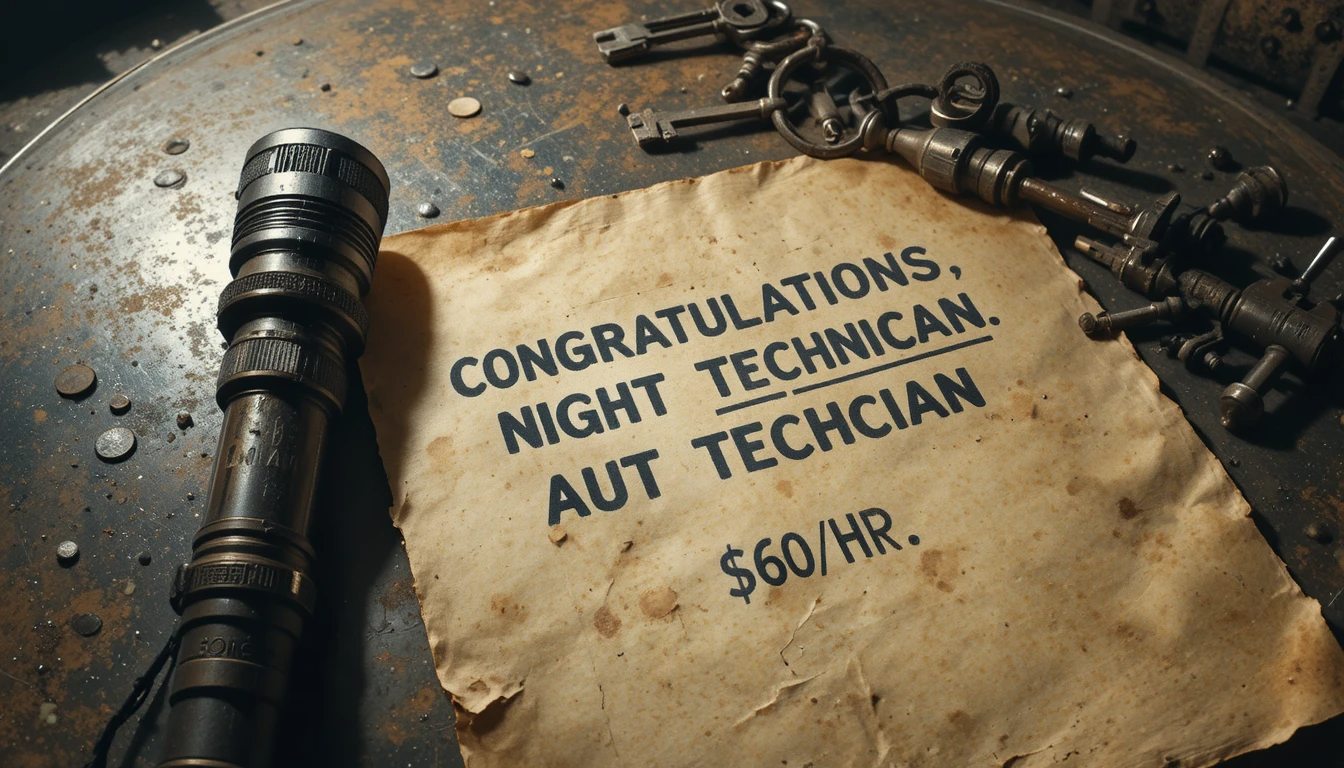
Congratulations.”You have been chosen for the position of Night Technician’s, Sector B Control Room, at the Black Ridge Power Plant.” After navigating a deliberately opaque application process and excelling in an interview characterized by its profound silence, the confirmation finally arrived. The envelope was substantial, the parchment within, weighty. Its message was both succinct and transformative:
The pay is astronomical—$60 an hour. The perk is bizarre—you’re allowed to bring one friend for backup. But the instructions… the instructions are where the reality of this job diverges sharply from any standard technical manual. This isn’t just a job; it’s a trial by fire in the dark. Your task may be simple on paper—”keep the power stable and follow every rule exactly”—but every seasoned Night Technician’s knows the rules are what you’re truly there to manage.
“This guide serves as an unofficial companion, offering a thorough exploration of the underlying nuances within your new position. We are moving beyond a superficial reading of the guidelines to a critical interpretation of their intent.”
The Weight of the Offer: More Than Just a Paycheck
A $60-an-hour position for a single Night Technician’s shift doesn’t come without strings. It’s a sum that suggests not just compensation for technical skill, but hazard pay for the unknown. The permission to bring a friend is the first red flag masquerading as a courtesy. It implies the management understands the psychological toll, or perhaps, that two sets of eyes are better than one when observing the unnatural.
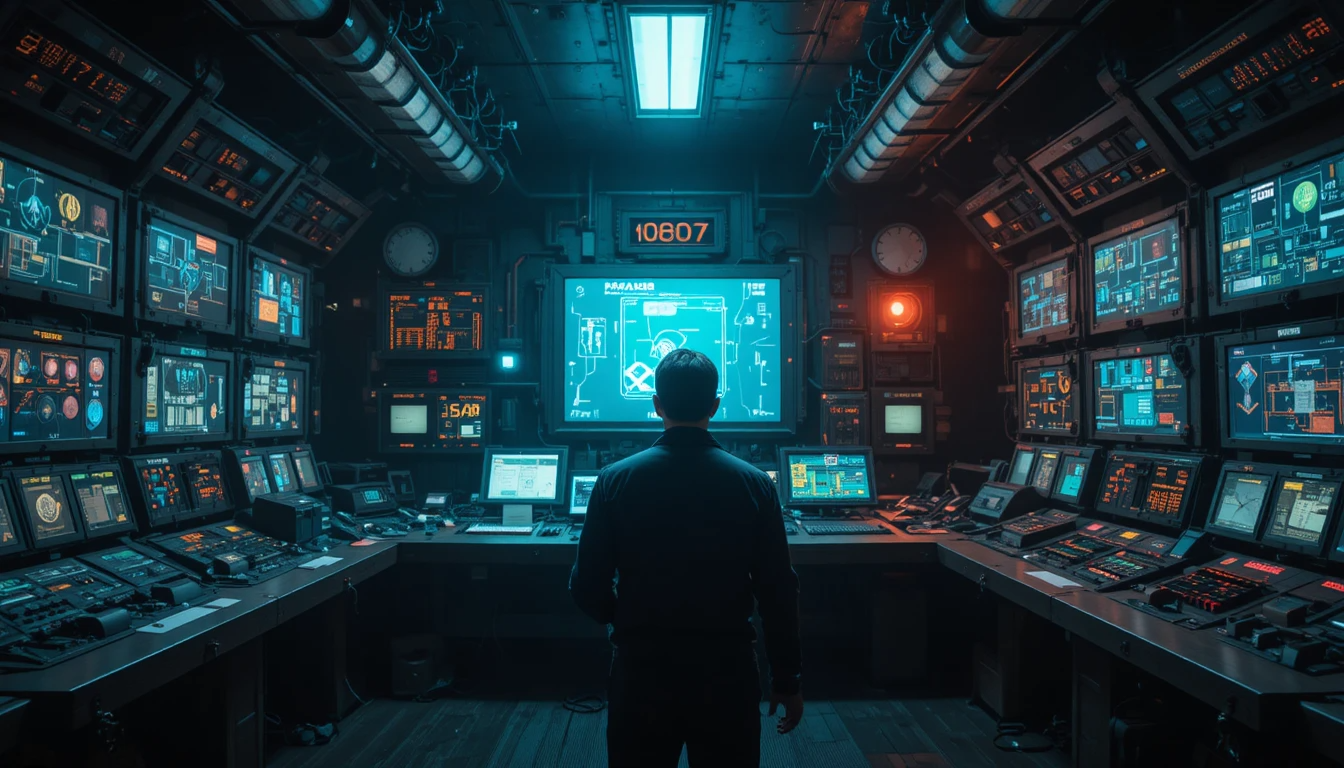
The Control Room for Sector B serves as the central, if irregular, pulse of Black Ridge. Its control panels combine sleek, contemporary displays with ancient, oiled-bronze switches that appear to belong to an era before electrical power. A perpetual drone from the primary power grid provides a background hum, which eventually becomes a source of solace.When that hum changes, your real work begins.
Deconstructing the Rulebook: A Survival Protocol
These rules are survival algorithms, not optional advice. We will unpack their mechanics by looking at their technical structure, psychological impact, and practical execution.
Rule 1: Generator Auto-Start Protocol
In the event of an unscheduled automatic initiation of the backup power unit, personnel must observe a mandatory ten-second stabilization period. No control interface is to be engaged until this full duration has elapsed.”
On its face, this appears to be a fundamental safety procedure designed to avert voltage spikes. Any skilled Night Technician’s working the night shift is fully aware of the risks associated with a progressive system collapse. But why ten seconds? Why not five or fifteen?
The Technical Reason: The ten-second count is a buffer. It allows the system to self-correct, to find its own equilibrium. Jumping in immediately could send a destabilizing feedback loop through the entire plant.
The Unspoken Reason: The generators aren’t just machines here. The count is a test of patience and nerve. It’s in those ten seconds of deafening, unauthorized operation that you’ll hear the other sounds—the faint scraping from the vents, the almost-silent whisper that seems to ride the current. It’s a moment of observation. What you do after the count is technical; what you learn during it is crucial for your survival.
Rule No. 2:
“If the intercom crackles with your name, reply only once and ask ‘What’s your clearance?’ If there’s no answer, cut the power to the speaker.”
The intercom is your lifeline, but at Black Ridge, it can also be a snare. The instruction is meticulously clear: one reply.
The Technical Reason: A crackle without a clear signal could be feedback, a crossed wire, or system malfunction. Engaging in a prolonged conversation is pointless and drains focus from the primary grid.
The Unspoken Reason: The voice on the intercom may not be human. It may be a mimic, a parasitic signal using familiarity to lure you into a dialogue. By asking for clearance, you are demanding a password, a proof of identity. Silence is an immediate fail. The act of pulling the plug transcends mere silence; it is the deliberate termination of a link. An expert Night Technician’s knows that certain channels are best permanently closed.
Rule No. 3:
“When the lights flicker, check every monitor in order 1 through 9. If one shows an unknown reflection, shut down the main grid and hide. They’re coming for you.”
This is the core of the threat. The flicker is not a power dip; it’s a herald.
The Technical Reason: The sequential check of monitors 1 through 9 is a diagnostic ritual. It forces a methodical, calm assessment under duress, preventing panic-driven oversight.
The Unspoken Reason: The “unknown reflection” is the key. It’s not a person, not an animal. It’s something that shouldn’t cast a reflection, yet does. It’s an entity that exists partially in our reality and is using the monitor as a window. Shutting down the main grid is a drastic measure—it plunges the entire sector into darkness and silence. But the rule is explicit: it’s better to face the administrative wrath for a grid shutdown than to face them. “They’re coming for you” is the most direct confirmation that your role as the Night Technician’s is one of a warden, and you are not alone in your prison.
Rule No. 4:
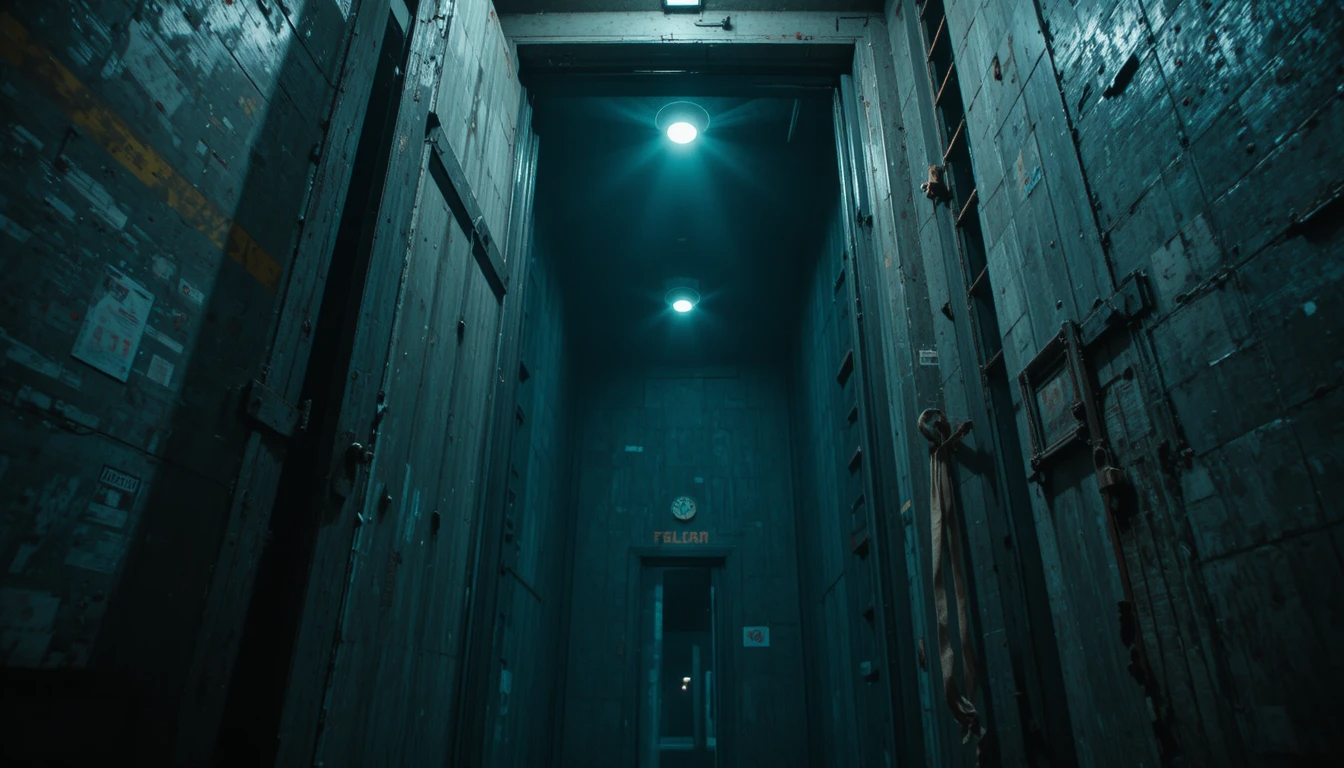
“If the elevator stops below Level 4, use the ladder immediately. What’s down there comes up when the doors open.”
Levels B1 through B3 are on the schematic. There is no “below Level 4.” This rule acknowledges a geography that doesn’t officially exist.
The Technical Reason: The elevator is a death trap if it breaches this unofficial threshold. The ladder shaft provides a controlled, physical escape route.
The Unspoken Reason: This is a zero-ambiguity rule. There is no “if,” “but,” or “maybe.” The entity “down there” is drawn to the sound and light of the opening doors. The ascent is a shadowy, grueling climb through a constricted passage, demanding every ounce of physical resolve. Yet, this very hardship is its own defense, a route your adversaries would deem impassable. To endure, you must willingly embrace the arduous and the obscure, forsaking the ease of the apparent way.
The Role of Your Friend: Backup or Buffer?
The “bring a friend” promotion is a strategy with inherent risks and benefits. Your friend is likely not a trained Night Technician’s. They are your tether to the normal world, a source of rational skepticism. But they are also your responsibility.
Their Value: A second pair of eyes to watch the monitors. A second person to hear the intercom.They serve as a vital sounding board, helping you determine whether your fears are ungrounded or if your concerns are legitimate.
The Risk: They are a variable.
Will they panic during the ten-second generator count?As the lead Night Technician’s, your primary duty is to impart the protocols with such clarity and conviction that your team follows them with the unwavering discipline of a first responder in a crisis.
The sole objective is to make it through the night alive.
The true nature of the shift lies not in moments of bravery, but in the sustained capacity to endure. You are not paid to investigate, to explore, or to conquer. You are paid to maintain and to survive. Every action, from the ten-second count to the frantic climb up the ladder, is in service of seeing the sunrise.
The promotion to Manager Level is the carrot, a promise of a different kind of power, perhaps daylight shifts, or authority over these nocturnal mysteries. But first, you must be the Night Technician’s who lasts. The real energy you must regulate at Black Ridge Power Plant doesn’t surge through the cables—it’s the silent, creeping current of dread in your own chest. Let that overload, and the lights go out for good.
The hum of the grid is your clock. The rules are your map. Good luck, Night Technician’s. Your shift starts now.